
Conference · Keynote Speakers
Learn from world-renowned experts in health informatics and AI
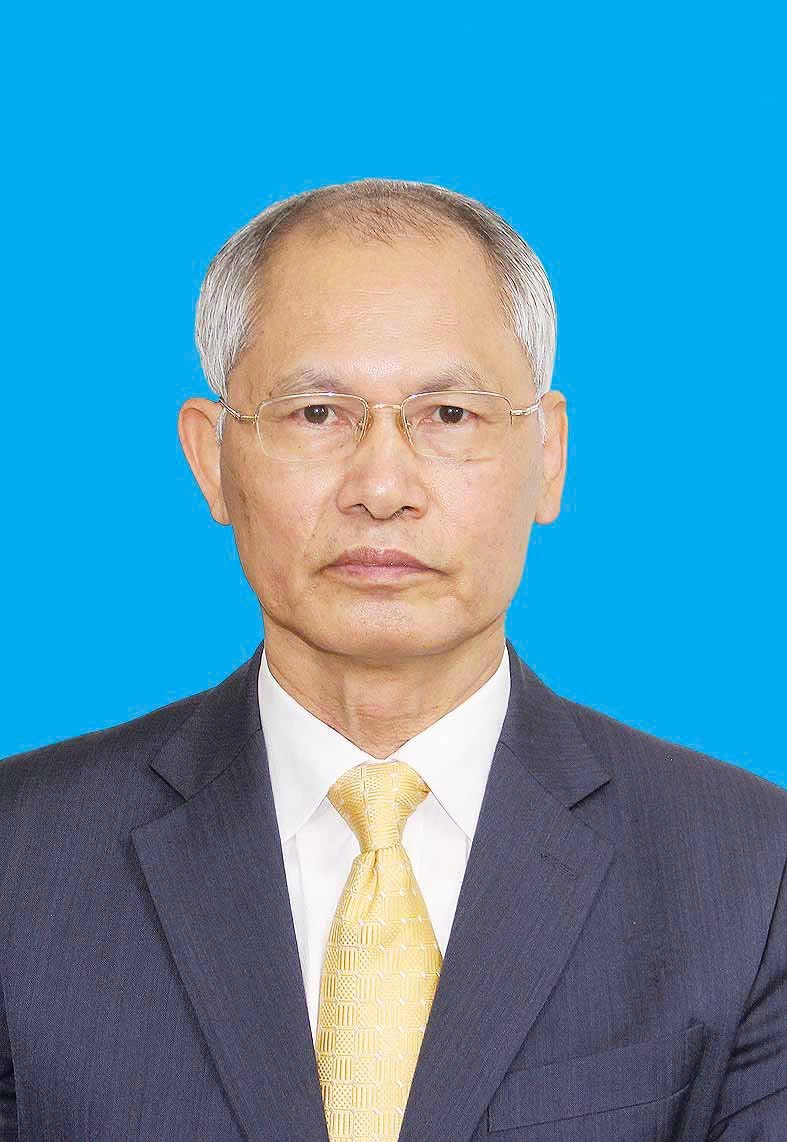 🇻🇳
Former Director General, Department of Social Affairs, Central Commission of Communication and Education
Vietnam
Academic Background: Professor, MD, PhD
Research Focus: Epidemiology, Medical Sociology, Healthcare Management
Keynote Title: "Vietnam Healthcare in the Digital Transformation Era: Achievements, Challenges, and Solutions"
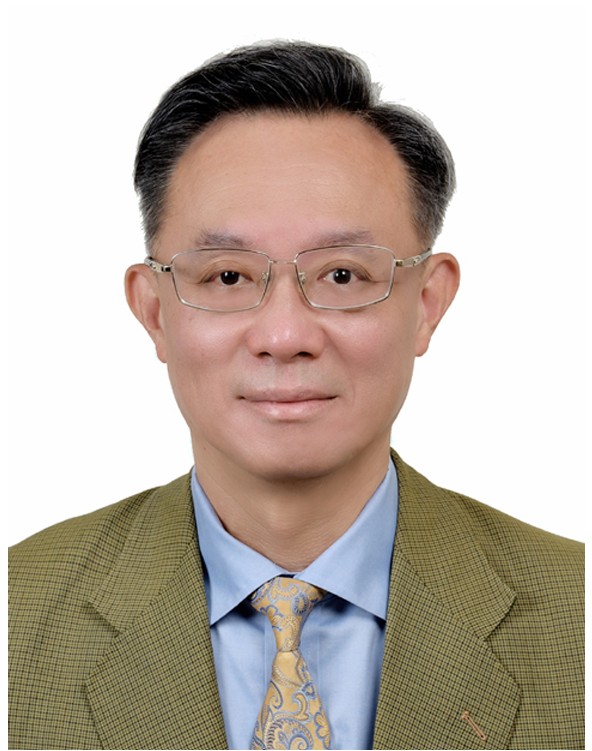 🇹🇼
President, Taiwan Association for Medical Informatics (TAMI)
Taiwan
Academic Background: PhD in Medical Informatics
Research Focus: Electronic Medical Records, Hospital Information Systems, Healthcare Interoperability, Clinical Informatics, Biomedical Data Analytics
Keynote Title: "Improving Healthcare with Real-World Data and Artificial Intelligence"
 🇨🇭
Founder & CEO, Traf Academy Co., Switzerland
Switzerland
Academic Background: PhD in Political Science
Research Focus: Healthcare Management, Leadership Development, Organizational Resilience, Health Promotion, AI-Driven Healthcare Transformation
Keynote Title: "AI in Health Care: International Trends and the Future of Hospitals"
 🇹🇼
Department of Biochemistry, College of Medicine, Chang Gung University
Taiwan
Academic Background: PhD in Biochemistry, University of Cambridge
Research Focus: Bioinformatics, Computational Biology, Molecular Simulation, Drug Discovery, Antiviral Research
Keynote Title: "Integrating Machine Learning and Molecular Simulations for Antiviral Drug Discovery: A Health Informatics Perspective"
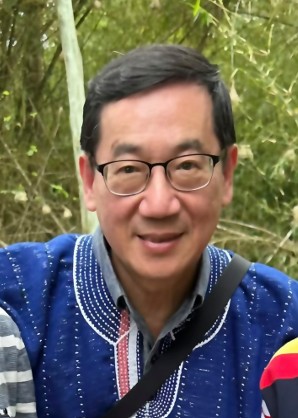 🇹🇼
Show Chwan Healthcare System · TAHLC
Taiwan
Academic Background: MD; MPH & Doctor of Science, Harvard University
Research Focus: Healthcare Management, Health Education, Health Communication, Digital Transformation, AI Governance in Healthcare
Keynote Title: "The Application of AI in Healthcare Has Transferred from Early “Technology Research and Development” to “Clinical Implementation” and “Institutional Governance”"
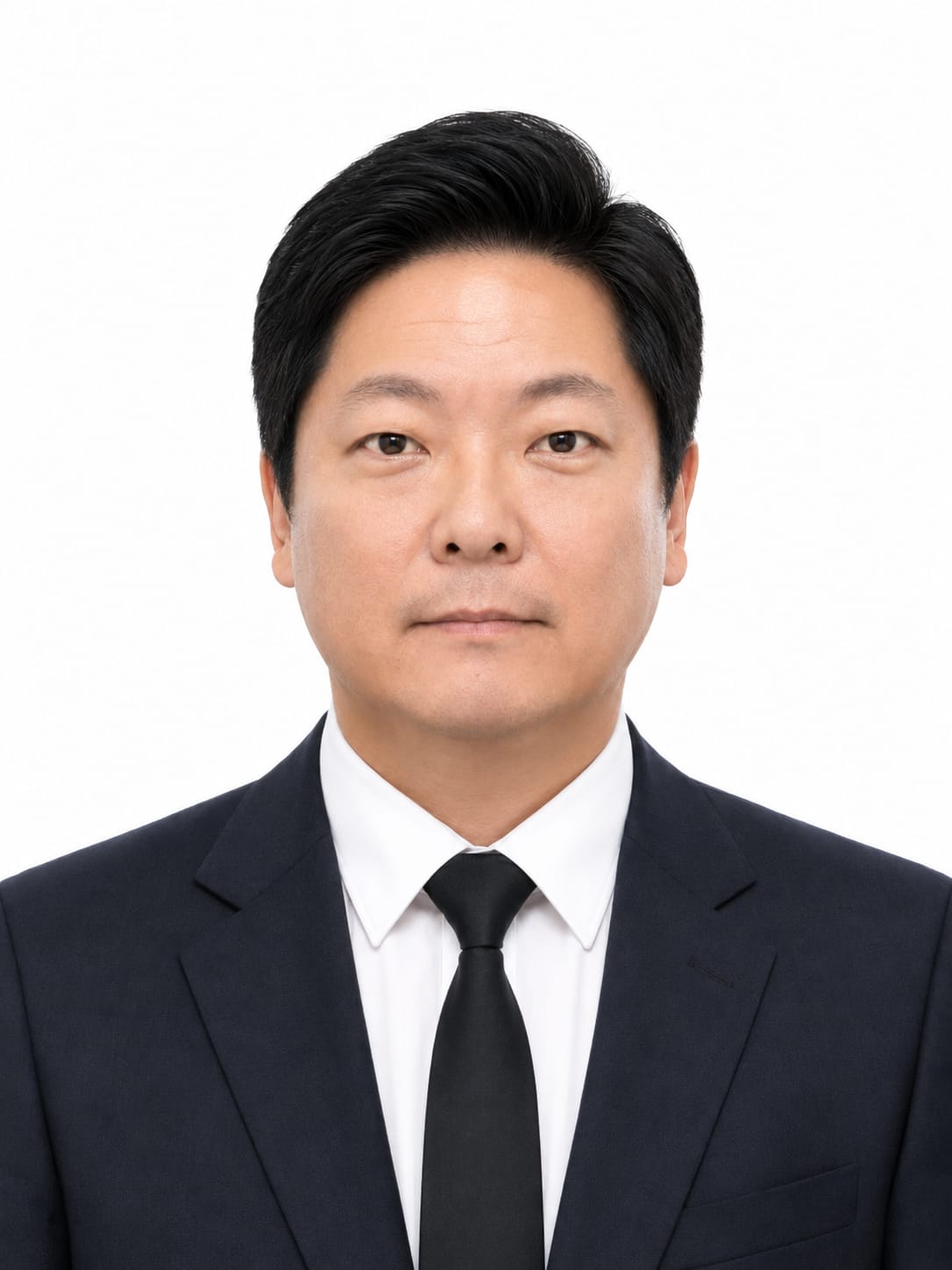 🇰🇷
CEO, AI Platform, Republic of Korea
Republic of Korea
Academic Background: PhD in Neurosurgery, Busan National University; MSc in Computer Science
Research Focus: AI & Blockchain in Healthcare, Healthcare AI Commercialization, Hospital Information Systems
Keynote Title: "From AI Assistant to AI-Ready Hospital: Building Practical Clinical AI Workflows"
 🇹🇼
President, Taiwan Association for Medical Informatics; Associate Professor, Taipei Medical University
Taiwan
Academic Background: PhD in Biomedical Informatics, University of Utah; MD & MS in Medical Informatics, Taipei Medical University
Research Focus: Biomedical Informatics, Health Data Interoperability (LOINC, FHIR), Neurosurgery, Digital Health Standards
Keynote Title: "AI for Healthcare in Taiwan"
 🇻🇳
President, Asian Health Literacy Association; Associate Professor, Taipei Medical University
Vietnam
Academic Background: PhD; Associate Professor, School of Nutrition and Health Sciences, Taipei Medical University, Taiwan
Research Focus: Health Literacy, Nutrition Science, Public Health, Psychological Well-being, Cross-Cultural Health Research
Keynote Title: "AI Health Literacy in Healthcare"
 🇫🇷
Founder & CEO, DHP – Digital Health Partnerships
France
Academic Background: MBA, University of Georgia; Executive Certificates, Oxford, Harvard & MIT Sloan (AI in Health Care)
Research Focus: Digital Health & Innovation, Prevention & Longevity, AI-Enabled Health Access, Digital Health Policy & Governance
Presentation Title: "From Data to Behavior: How Digital Twins and Agentic AI Drive Prevention at Scale"
 🇻🇳
Professor, University of Information Technology, VNU-HCM
Vietnam
Academic Background: Professor, PhD, University of Information Technology, VNU-HCM
Research Focus: Bioinformatics, Natural Language Processing, Artificial Intelligence, Machine Learning & Deep Learning, Knowledge Graphs, Question-Answering Systems, Fact Verification, Big Data, Quantum Computing
Presentation Title: "Knowledge Graphs and Applications in Healthcare: From Multimodal Graphs to Traditional Medicine"
 🇺🇸
Chairman, Golden Sunrise Senior Life
United States
Academic Background: MD; Certified in Age Management Medicine (Age Management Medical Educational Foundation); Senior Fitness Instructor Certification (American Sports & Fitness Association, 2024)
Research Focus: Senior & Elderly Care, Age Management Medicine, International Healthcare Development, Wellness & Self-Care, Healthcare Organizational Growth
Presentation Title: "Aged Persons Healthcare"
 🇨🇦
Founder & CEO, Aztute Corporation
Canada
Academic Background: MBA
Research Focus: Healthcare Technology, Artificial Intelligence in Public & Community Health, Digital Transformation, Coordinated & Preventive Care, Health Equity for Underserved Populations
Presentation Title: "From Data to Action: The Aztute AI-Powered Smart Collaboration Hub"
 🇻🇳
University of Information Technology, VNU-HCM
Vietnam
Research Focus: Deep Learning, Convolutional Neural Networks, Fuzzy Ensemble Learning, Medical Image Classification, Computational Pathology
Keynote Title: "Histopathological Classification of Ovarian Cancer Subtypes on Tissue Microarray Images Using a Fuzzy Ensemble CNN Framework"
 🇯🇵
Kitahara Digital Strategies International
Japan
Research Focus: Total Life Support (TLS), Home-Based Rehabilitation, Digital Health, AI-Enabled Elderly Care, Remote Monitoring & Risk Prediction
Presentation Title: "Healthcare as Comprehensive Life Support – Supporting People to Live Better and End Life with Dignity"
 🇻🇳
People’s Physician; President, Vietnam Medical Informatics Association; Former Director General, IT Department, Ministry of Health
Vietnam
Research Focus: Digital Health Transformation, Electronic Medical Records, Telemedicine, National Health Information Systems, Health IT Policy
Keynote Titles: "AI for Healthcare in Vietnam"; "Experience in Implementing Electronic Medical Records in Vietnam"
 🇦🇺
Research Professor, Swinburne University of Technology & National Ageing Research Institute (NARI); Distinguished Professor, VinUniversity
Australia / Vietnam
Research Focus: Dementia, Health Equity & Cultural Diversity, Digital Health, Medication Safety, Ageing Research
 🇦🇺
Research Fellow & Project Manager (iSupport-D & Voice of Care), Department of Psychological Sciences, School of Health Sciences, Swinburne University of Technology
Australia
Research Focus: Dementia Care Technology, Digital Health Interventions for Family Carers
 🇻🇳
Founder, Biomedical Engineering Department, International University, VNU-HCM
Vietnam
Research Focus: Biomedical Engineering Education, Wearable & Wireless Medical Devices, AI in Mental Healthcare
Keynote Title: "AI Education in BME Curriculum"
 🇻🇳
Head, Brain AI Lab, School of Biomedical Engineering, International University, VNU-HCM
Vietnam
Research Focus: AI in Neurodegenerative Disease Detection, Brain Signal Processing, Medical Image Analysis
Keynote Title: "AI Education in BME Curriculum"
 🇻🇳
Director, Medic Medical Diagnostic Center (Hoa Hao)
Vietnam
Research Focus: AI in Diagnostic Imaging, Bone Mineral Density Assessment, Cancer Screening Algorithms, Laboratory Medicine
 🇻🇳
Chairman, Vietnam Family Medicine Group and Institute (VINFMgroup-VIFMED); Rector, HUTECH School of Medicine and Health Sciences
Vietnam
Research Focus: Family Medicine, Primary Care, Medical Education
 🇻🇳
Faculty of Public Health, University of Medicine and Pharmacy at Ho Chi Minh City
Vietnam
Research Focus: Health Informatics & Clinical AI, Electronic Medical Records, Clinical Decision Support, Biostatistics & Data Engineering
Presentation Title: "AI-Powered Electronic Medical Record (EMR) and Practice Management System for Outpatient Clinics"
 🇻🇳
Vice Dean, Faculty of Information Technology, International University, VNU-HCM
Vietnam
Academic Background: PhD in Computer Science, University of Bordeaux, France
Research Focus: Software Engineering, Formal Methods, AI/ML, Healthcare Information Systems
Presentation Title: "Artificial Intelligence in Pulmonary Function Testing: From International Evidence to Opportunities for Vietnam"
 🇻🇳
President, Ho Chi Minh City Association of Integrative Medicine (Eastern & Western Medicine)
Vietnam
Research Focus: Traditional Medicine, Integrative Medicine, AI in Traditional Medicine, Clinical Decision Support
Presentation Title: "Traditional Medicine in the Era of Artificial Intelligence (AI): Opportunities, Applications, and Challenges"
 🇻🇳
Faculty of Traditional Medicine, University of Health Sciences, VNU-HCM; Ho Chi Minh City Oncology Hospital
Vietnam
Research Focus: Traditional Medicine Imaging, Computer Vision & Deep Learning, Multimodal Data Integration
Presentation Title: "Potential Applications of Artificial Intelligence (AI) in Traditional Medicine Imaging"
 🇻🇳
Head, 4T Club, Institute of Traditional Medicine, Ho Chi Minh City; Deputy Director, Center for Martial Arts Medicine & Vital Energy Cultivation
Vietnam
Academic Background: MSc in Traditional Medicine; Meritorious Physician (2010)
Research Focus: Traditional Medicine, Integrative Health Care, Spinal Health, Holistic Self-Healing
Presentation Title: "The Best Doctor Is Yourself: Exploring the 4T Therapy in Holistic Health Care"
 🇺🇸
Founder, CEO & President, IriTech, Inc. and IriHealth, Inc.
United States
Academic Background: PhD in Electrical Engineering, North Carolina State University
Research Focus: Iris Recognition & Biometrics, Medical Image Analysis, AI-Based Early Cancer Screening
Presentation Title: "AI-Powered Iris Imaging for Early Cancer Screening"
 🇬🇧
Professor of Emerging Infectious Diseases, University of Oxford; Interim Director, OUCRU
United Kingdom / Vietnam
Research Focus: Emerging Infectious Diseases, Genomic Surveillance, Outbreak Response, Epidemic & Pandemic Preparedness
 🇻🇳
Vice Head, Family Medicine; Vice Director, University Medical Policlinic, Pham Ngoc Thach University of Medicine
Vietnam
Research Focus: Family Medicine, Medical Digital Transformation, Patient Safety, AI-Powered Medical Education
Keynote Title: "Developing Clinical Reasoning Skills and a Multidimensional Approach Through AI-Powered Simulated Patient Models in Medical Education"
 🇦🇺
Senior Lecturer (Assistant Professor) in AI and Machine Learning, The University of Queensland, Australia
Australia
Academic Background: PhD in Information Systems, Deakin University
Research Focus: Machine Learning, Natural Language Processing, Agentic AI, Healthcare AI
Keynote Title: "AI-Powered Clinical Prioritisation for Tele-Triage: A Decision-Support Platform for Healthcare"
 🇻🇳
Founder & CEO, Smart Health Solutions Co.; Founder, Master's Program in Hospital Administration, VNU-HCM University of Technology
Vietnam
Research Focus: Smart Hospital Management, AI in Healthcare Transformation, Digital Health Innovation
Keynote Title: "From Smart Hospitals to Smart Health: The Expanding Role of Artificial Intelligence in Healthcare Transformation"
 🇺🇸
Professor of Psychology, Fulbright University Vietnam
United States / Vietnam
Research Focus: Mental Health, Clinical Psychology, AI in Mental Healthcare, AI Ethics & Safety
Keynote Title: "Closing the Mental Health Treatment Gap in Vietnam: Opportunities and Risks of AI"
Prof. Dao Van Dung is the former Director General of the Department of Social Affairs, Central Commission of Communication and Education.
He is a highly respected expert in the fields of epidemiology, medical sociology, and healthcare management. He is also the chief editor of the well-known specialized textbook “Commune Health Centers.”
Keynote Title: “Vietnam Healthcare in the Digital Transformation Era: Achievements, Challenges, and Solutions”
Prof. Chien-Yeh Hsu is President of the Taiwan Association for Medical Informatics (TAMI), former President of the Asia-Pacific Association for Medical Informatics (APAMI), and a Fellow of the International Academy of Health Sciences Informatics (FIAHSI). He currently serves as Distinguished Professor and Department Head at National Taipei University of Nursing and Health Sciences, Taiwan.
His research interests include electronic medical records, hospital information systems, healthcare interoperability, cloud computing, blockchain applications in healthcare, biomedical signal processing, and biomedical data analytics. Prof. Hsu has played a leading role in advancing health informatics standards and smart healthcare initiatives across the Asia-Pacific region.
Key Contributions: Leadership in healthcare interoperability and digital health standards; advancement of smart healthcare ecosystems and clinical decision support systems; promotion of international collaboration in health informatics.
Prof. Volker B. Schulte is the Founder and Chief Executive Officer of Traf Academy Co., Switzerland. He holds a PhD in Political Science and has an interdisciplinary academic background in law, social sciences, history, education, theology, and nonprofit management.
He has worked with the World Health Organization (WHO), the Swiss Federal Department of Foreign Affairs, and the Swiss Federal Department of Home Affairs on public health and healthcare development initiatives. His expertise focuses on healthcare management, leadership, organizational resilience, health promotion, and innovation in healthcare systems.
Key Contributions: Development of executive education and leadership programs in healthcare; contributions to health promotion and public health initiatives; publications on healthcare management, leadership, and organizational resilience.
Prof. Jim-Tong Horng is Professor of Biochemistry and Associate Dean for International Affairs at the College of Medicine, Chang Gung University, Taiwan. He earned his PhD in Biochemistry from the University of Cambridge and completed postdoctoral research in Biochemistry and Biophysics at the University of California, San Francisco.
His research focuses on bioinformatics, molecular simulations, computational biology, antiviral drug discovery, and biomedical data analysis. He has led numerous research projects related to infectious diseases and computational approaches for drug development.
Key Contributions: Development of computational approaches for antiviral drug discovery; integration of machine learning and molecular simulations in biomedical research; leadership in international collaborative research programs.
Prof. Peter Chang is President of the Taiwan Association of Health Literacy and Communication (TAHLC) and serves in leadership roles within Show Chwan Healthcare System. He received his MD from National Yang-Ming University, MPH from Harvard University, and Doctor of Science degree from Harvard University.
Prof. Chang has extensive experience in healthcare management, health education, health communication, and digital transformation. He has held senior academic, governmental, and international leadership positions and has actively promoted global collaboration in healthcare education and innovation.
Key Contributions: Leadership in healthcare education and communication initiatives; promotion of international healthcare collaboration; advancement of digital transformation and AI governance in healthcare systems.
Prof. Shin Hyungsub is the founder and CEO of AI Platform, Republic of Korea, which he established in 2017. He holds a PhD in Neurosurgery from Busan National University and an MSc in Computer Science, and previously served as a lecturer at Busan Digital University.
He holds 11 patents in AI and blockchain applications for healthcare and has led the transformation of these technologies into commercial products for hospital and healthcare use. More than 10 of AI Platform’s products have received government approval and are now widely used across hospitals and healthcare institutions in Korea.
Key Contributions: Founding and scaling AI Platform’s healthcare AI and blockchain product line; commercialization of government-approved AI solutions for Korean hospitals and healthcare institutions; bridging neurosurgical and computer science expertise to advance healthcare AI.
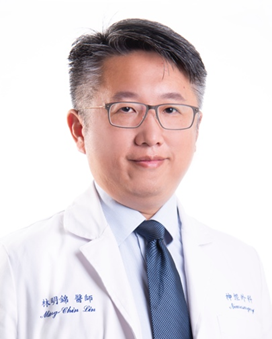
Prof. Dr. Mark Lin is a neurosurgeon and biomedical informatics expert who serves as Vice President of Wan Fang Medical Center, Taipei Medical University (2024–2025) and Associate Professor at TMU’s Graduate Institute of Biomedical Informatics. He is also Vice President of the International Medical Informatics Association (2025–2027) and President of the Taiwan Association for Medical Informatics, host of MedInfo 2025.
He earned his PhD in Biomedical Informatics from the University of Utah, following an MS in Medical Informatics and an MD from Taipei Medical University, and is a Board-Certified Neurosurgeon.
Prof. Lin is a leading figure in Taiwan’s national adoption of LOINC and FHIR, collaborating with LOINC Chair Dr. Stanley Huff. He co-led the 2025 National Health Insurance LOINC mapping project and contributed to national microbiology LOINC mapping and the FHIR Phase II cross-hospital data exchange program, shaping Taiwan’s digital health interoperability landscape.
Key Contributions: National leadership in LOINC and FHIR adoption for Taiwan’s healthcare system; co-leadership of the National Health Insurance LOINC mapping project; advancement of cross-hospital data exchange through the FHIR Phase II program.
Prof. Dr. Tuyen Van Duong, PhD is an Associate Professor at the School of Nutrition and Health Sciences, Taipei Medical University, Taiwan. He currently serves as President of the Asian Health Literacy Association (2025–2026), Elected Chair of the Scientific Standards Committee (2022–2024), Appointed Chair of the Regional Affairs Committee (2025–2027), and an Executive Board member of the International Health Literacy Association, Boston, USA.
Dr. Duong has developed a strong multidisciplinary academic background and wide international networks, working closely with scholars across Asian countries and collaborating with research consortia in Europe as well as a growing number of institutions in Australia, the United States, and Africa.
By August 2026, Dr. Duong has published more than 85 original research articles in 35 SCI/SSCI-indexed journals. He serves as an editor for Scientific Reports, Health Promotion International, Frontiers in Nutrition, Frontiers in Psychology, and Nutrients, and as a reviewer for 40 international journals. He has received 16 honorable academic awards from national and international organizations in Australia, Indonesia, Malaysia, the Netherlands, Switzerland, Taiwan, the United States, Thailand, and Vietnam.
Key Contributions: Leadership of the Asian Health Literacy Association and international health literacy standards committees; extensive multidisciplinary research collaboration across Asia, Europe, Australia, and the United States; editorial and peer-review service across leading nutrition, psychology, and public health journals.
Email: duongtuyenvna@gmail.com · Homepage: TMU Faculty Profile · ORCID: 0000-0002-2287-0723
Florence Gaudry-Perkins is a strategic advisor with more than 20 years of experience at the intersection of technology, healthcare access innovation, and public–private partnerships across emerging and developed markets. Based in Ho Chi Minh City, she is Founder & CEO of DHP – Digital Health Partnerships, a boutique advisory firm supporting corporates, governments, and international institutions — including Merck, the Novartis Foundation, Philips, Cepheid, and IQVIA — on technology-enabled health access, prevention, and AI-enabled solutions.
Previously, as International Director, Global Government & Social Innovation at Alcatel-Lucent / Nokia, she worked with governments, development banks, and UN agencies across more than 130 countries, and co-developed large-scale digital health partnerships for diabetes in Senegal and Mexico with Ministries of Health and ICT, WHO, ITU, and private-sector partners. She has also contributed to global policy through working groups of the UN Broadband Commission, supported WHO and ITU on national digital health platforms and investment, and led and co-authored the national digital health strategies of Senegal and Togo, while advising Smart Africa on its continental digital health blueprint.
Convinced that prevention is where people and health systems gain the most, Florence is now bringing that conviction into integrative wellness and longevity, bridging evidence-based medicine with holistic approaches so that what is proven in the most advanced settings can reach far more people. She holds an MBA from the University of Georgia and executive certificates from Oxford, Harvard, and MIT Sloan (AI in Health Care).
Presentation Title: "From Data to Behavior: How Digital Twins and Agentic AI Drive Prevention at Scale"
Key Contributions: Founding and leading DHP – Digital Health Partnerships, advising global corporates and institutions on technology-enabled health access; co-development of national digital health strategies for Senegal and Togo; policy contributions to the UN Broadband Commission, WHO, and ITU on digital health platforms.
Email: f.gaudryperkins@dhp.global · LinkedIn: flogaudryperkins
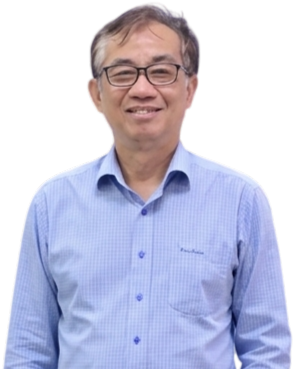
Prof. Dr. Do Phuc is a Professor at the University of Information Technology, Vietnam National University Ho Chi Minh City (UIT, VNU-HCM). His research spans bioinformatics, text processing, artificial intelligence, machine learning, deep learning, natural language processing, knowledge graphs, question-answering systems, information/fact verification, big data processing, and quantum computing.
He has participated in numerous research projects across these fields, including bioinformatics, text and natural language processing, text-understanding systems, reasoning over knowledge graphs, and AI in education. He has published more than 100 papers and scientific reports at reputable international and domestic conferences and journals, and is the author of 8 reference books and textbooks on computer science, programming techniques, social network analysis, big data analytics, data mining, knowledge graphs, and their applications.
Presentation Title: "Knowledge Graphs and Applications in Healthcare: From Multimodal Graphs to Traditional Medicine" — an overview of Knowledge Graph (KG) theory and Multimodal Knowledge Graphs (MMKG), breakthrough applications in modern medicine (Hetionet, PrimeKG), the modernization, digitization, and heritage preservation of Traditional Medicine (TCM KG, Vietnamese Traditional Medicine KG), and emerging directions such as Graph-RAG, Precision Medicine, and AI Agents.
Key Contributions: Leading research on knowledge graphs and multimodal AI applications in healthcare and traditional medicine; author of 100+ publications and 8 books/textbooks in computer science and data science; contributions to AI in education and large-scale text and knowledge-graph reasoning systems.
Email: phucdo@uit.edu.vn
Dr. Mason Cobb, from a small farming town in the Midwest USA, now finds himself halfway around the world in one of the world’s rising major cities — Ho Chi Minh City. He spent his career in medicine as a pediatric surgeon, always pioneering or expanding programs and an early adopter of new technologies. His goal is a better and healthier life for people in Vietnam, especially seniors.
In 1997, he was called upon to establish an international clinic in Vietnam and became the founding Director of Columbia-Gia Dinh International Clinic — the first truly international-standard clinic in Vietnam, meeting the need of a country eager to expand and make its impact on the world. Dr. Cobb and others then founded Victoria Healthcare International Clinic, opening in 2005; Victoria still offers top international-standard care and true caring, setting a standard for Vietnam, and now operates 4 clinics.
With a 36-year career as a pediatric surgeon, Surgery Chairman, Trauma Services Director, and Academic Division Chief in the USA, he brought deep experience and insight to his work in Vietnam. In 2018, Dr. Cobb set his sights on promoting a healthy, happy life for seniors, believing we can do better for the people who have built our societies and families. He studied and certified in Age Management Medicine with the Age Management Medical Educational Foundation and earned a Senior Fitness Instructor Certification with the American Sports & Fitness Association (2024).
Today, Dr. Cobb is devoted to wellness and self-care benefiting middle-aged and older people, and believes in and promotes healthy living for a full, energetic, and rewarding long life. He chairs Golden Sunrise Senior Life JSC, dedicated to happy, healthy community centers and living spaces for seniors from anywhere in the world, but especially at home in Vietnam.
Presentation Title: "Aged Persons Healthcare"
Key Contributions: Founding Director of Vietnam’s first international-standard clinic (Columbia-Gia Dinh International Clinic) and co-founder of Victoria Healthcare International Clinic (now 4 clinics); proven success in healthcare development, organizational growth, and hands-on international healthcare expertise; leadership of Golden Sunrise Senior Life, advancing senior care and healthy aging in Vietnam.
Technology Entrepreneur · Healthcare Innovator · International Speaker
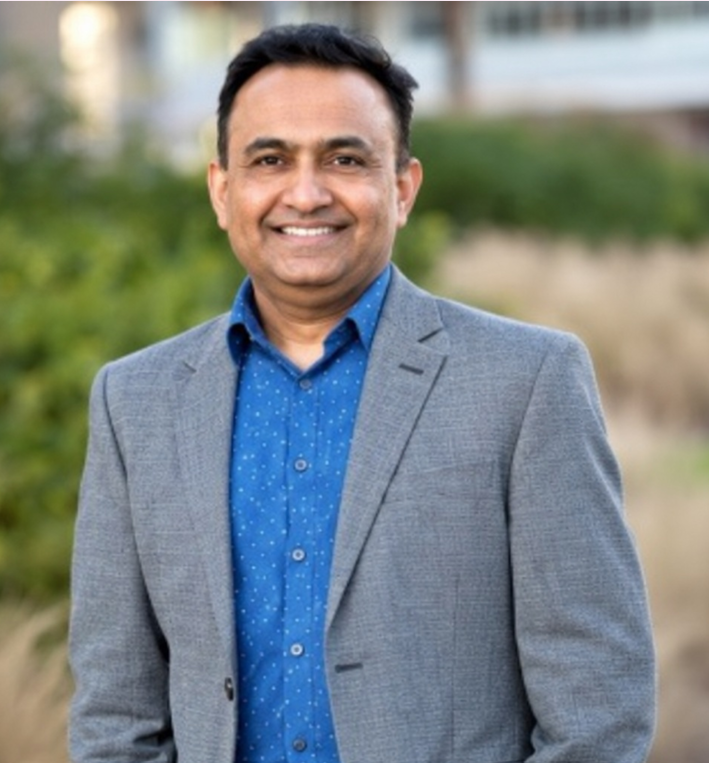
Sammy Wahab is a technology entrepreneur and healthcare innovator with more than 30 years of leadership experience. He has founded two healthcare technology companies in North America and held senior executive positions — including CEO, CTO, and other technology and operational leadership roles — at organizations ranging from emerging companies to BlackBerry.
His work focuses on public and community health, particularly improving care for vulnerable and underserved populations whose complex needs often result in poor outcomes and high healthcare costs. He is passionate about applying technology, artificial intelligence, and management expertise to enable earlier intervention, coordinated care, and more proactive and preventive approaches to health.
Under Sammy’s leadership, Aztute was recognized as a Top Innovator at Venture Summit West for its work in transforming community healthcare through data, education, and collaboration. He has spoken at numerous international conferences, sharing practical perspectives on healthcare innovation, digital transformation, and using technology to improve outcomes, experiences, and affordability for individuals, care teams, and communities.
Presentation Title: "From Data to Action: The Aztute AI-Powered Smart Collaboration Hub"
Key Contributions: Founder & CEO of Aztute Corporation, recognized as a Top Innovator at Venture Summit West; founder of two healthcare technology companies in North America; senior technology and operational leadership at organizations including BlackBerry; international speaker on healthcare innovation and digital transformation.
Dr. Nguyen Tat Bao Thien is a researcher at the University of Information Technology, Vietnam National University Ho Chi Minh City (UIT, VNU-HCM), working at the intersection of deep learning and computational pathology. His work focuses on applying convolutional neural networks and ensemble learning methods to automate and improve the accuracy of medical image classification for cancer diagnosis.
Ovarian cancer is a serious disease with a high mortality rate, largely due to late diagnosis, and Tissue Microarray (TMA) images offer a cost-effective diagnostic resource whose manual analysis is time-consuming and requires expert interpretation. Dr. Thien's research proposes an automated deep learning approach for ovarian cancer classification using a dataset of 12,710 TMA images labeled into five subtypes (CC, EC, HGSC, LGSC, and MC). His lightweight CNN architecture, EOC-Net, was benchmarked against four transfer learning models — DenseNet121, EfficientNetB0, InceptionV3, and ResNet50-v2 — achieving the best individual accuracy despite having fewer parameters, before a fuzzy rank-based ensemble model using the Gamma function combined all five models to reach a final testing accuracy of 88.73%, an improvement of 1.68–12.48% over the individual models.
Keynote Title: "Histopathological Classification of Ovarian Cancer Subtypes on Tissue Microarray Images Using a Fuzzy Ensemble CNN Framework"
Key Contributions: Development of EOC-Net, a lightweight CNN architecture for ovarian cancer subtype classification; design of a fuzzy rank-based ensemble framework combining five deep learning models to improve diagnostic accuracy; demonstrating the potential of deep learning and ensemble learning to support clinical decision-making in cancer diagnosis.
Email: thienntb@uit.edu.vn
Mr. Yusuke Hirai works with Kitahara Digital Strategies International on digital health initiatives that connect hospital care with life at home. As the birthrate declines and the population ages, he sees healthcare expanding beyond simply “providing treatment” to supporting people’s lives after hospital discharge and preventing illness, while addressing the gaps in information and services that often exist between hospital-based medical care and life at home after discharge.
His work centers on TLS (Total Life Support), a model that comprehensively connects home-based rehabilitation, nursing care, health management, and emergency response, already implemented in Japan with future plans for Vietnam. Through the use of AI for assessing physical function and living conditions, proposing individualized programs, remote monitoring, and risk prediction, Mr. Hirai explores how a new care model can provide seamless support from the hospital to the home and throughout daily life.
Presentation Title: "Healthcare as Comprehensive Life Support – Supporting People to Live Better and End Life with Dignity"
Key Contributions: Development and implementation of the TLS (Total Life Support) model connecting home-based rehabilitation, nursing care, health management, and emergency response in Japan; planning for TLS expansion into Vietnam; advancing AI-enabled remote monitoring and risk prediction for elderly and post-discharge care.
Assoc. Prof. Dr. Tran Quy Tuong, honored with the title of People’s Physician, is a pioneering expert in digital health and medical digital transformation in Vietnam, currently serving as President of the Vietnam Medical Informatics Association (VMIA). With over 35 years of experience in healthcare, health policy, hospital management, and medical information technology, he played a crucial role in shaping Vietnam’s digital health development policy during the first two decades of the 21st century.
Starting his career as a clinical physician, he held numerous key leadership and managerial positions in the health sector: Deputy Director General of the Department of Therapy, Ministry of Health (2005–2008); Deputy Director General of the Administration of Medical Service Review and Treatment, Ministry of Health (2008–2016); and Director General of the Information Technology Department, Ministry of Health (2016–2021). He also serves as Vice President of the Vietnam Rehabilitation Association and Vice President of the Vietnam Association of Family Physicians.
During his tenure at the Ministry of Health, he led implementation strategies for information technology across the entire sector and directed national-level digital health programs – driving 100% of hospitals to deploy health information management systems and enabling nearly 100% of medical treatment facilities to connect and share data with the national health insurance system. Under his leadership, foundational legal documents were promulgated, including Circular 46/2018/TT-BYT (electronic medical records), Circular 49/2017/TT-BYT (telemedicine), and Circular 54/2017/TT-BYT (IT standards for medical examination and treatment facilities), laying the groundwork for Vietnam’s national digital health transformation.
As founder and first President of VMIA, he continues to build a sustainable bridge between government, enterprises, and experts – advising government agencies, healthcare organizations, and international partners on digital health strategy, smart hospitals, health data governance, and AI in healthcare, while promoting international cooperation and workforce development. His vision centers on a synchronized, transparent, and effective digital health system that puts patients first, serving as a pillar for the future of modern, globally integrated healthcare.
Keynote Titles: "AI for Healthcare in Vietnam"; "Experience in Implementing Electronic Medical Records in Vietnam"
Key Contributions: Nationwide rollout of hospital health information management systems and national health insurance data connectivity; drafting of Circulars 46/2018, 49/2017, and 54/2017 establishing Vietnam’s digital health legal framework; founding and leading the Vietnam Medical Informatics Association.
Prof. Tuan Anh Nguyen is a Research Professor at Swinburne University of Technology and the National Ageing Research Institute (NARI), and a Distinguished Professor at VinUniversity. His disciplinary training spans pharmacy, public health, and community medicine, with research focused on dementia, health equity, cultural diversity, digital health, and medication safety. Continuously funded by Australia’s NHMRC/MRFF since completing his postdoctoral fellowship in 2015, he has contributed to over $22 million in competitive research funding, with work featured in the Australian Government’s Boosting Dementia Research Initiative Report and the opening address by Ita Buttrose AC OBE at the Australian Dementia Forum 2019. He is the recipient of the 2023 Robert Helme Research Award for Excellence at NARI and the 2025 Atlantic Fellowship for Equity in Brain Health at the Global Brain Health Institute, Trinity College Dublin.
He has authored over 100 publications and presented at more than 70 conferences, developing, testing, and advancing culturally relevant interventions for people living with dementia and their family carers, as well as older adults experiencing depression and frailty. His interventions have demonstrated reduced depression, anxiety, and loneliness, reduced frailty and clinical symptoms of dementia, improved carer wellbeing, and reduced healthcare utilisation and hospital readmissions – including the iSupport Virtual Assistant for family carers, now adapted for use in Indonesia, New Zealand, and Vietnam.
His research has shaped the NHMRC-endorsed Clinical Practice Guidelines for the Appropriate Use of Psychotropic Medications in People Living with Dementia, and he has been instrumental in developing Vietnam’s National Dementia Plan, building dementia research capacity and family-carer interventions in Vietnam. He has contributed to major WHO and Alzheimer’s Disease International publications, and serves on the Executive Committee of Alzheimer’s Association ISTAART PIA Health Policy, Dementia Australia’s National Diversity and Inclusion Advisory Committee, and the Australian Dementia Network (ADNeT) Management Committee. He currently serves as Vice President (Health Sciences Portfolio) of the Vietnam–Australia Scholars and Experts Association (VASEA).
Key Contributions: NHMRC-endorsed Clinical Practice Guidelines for psychotropic medication use in dementia care; co-development of Vietnam’s National Dementia Plan and building of dementia research and carer-intervention capacity in Vietnam; global dissemination of the iSupport Virtual Assistant for family carers; contributions to WHO and Alzheimer’s Disease International dementia policy reports.
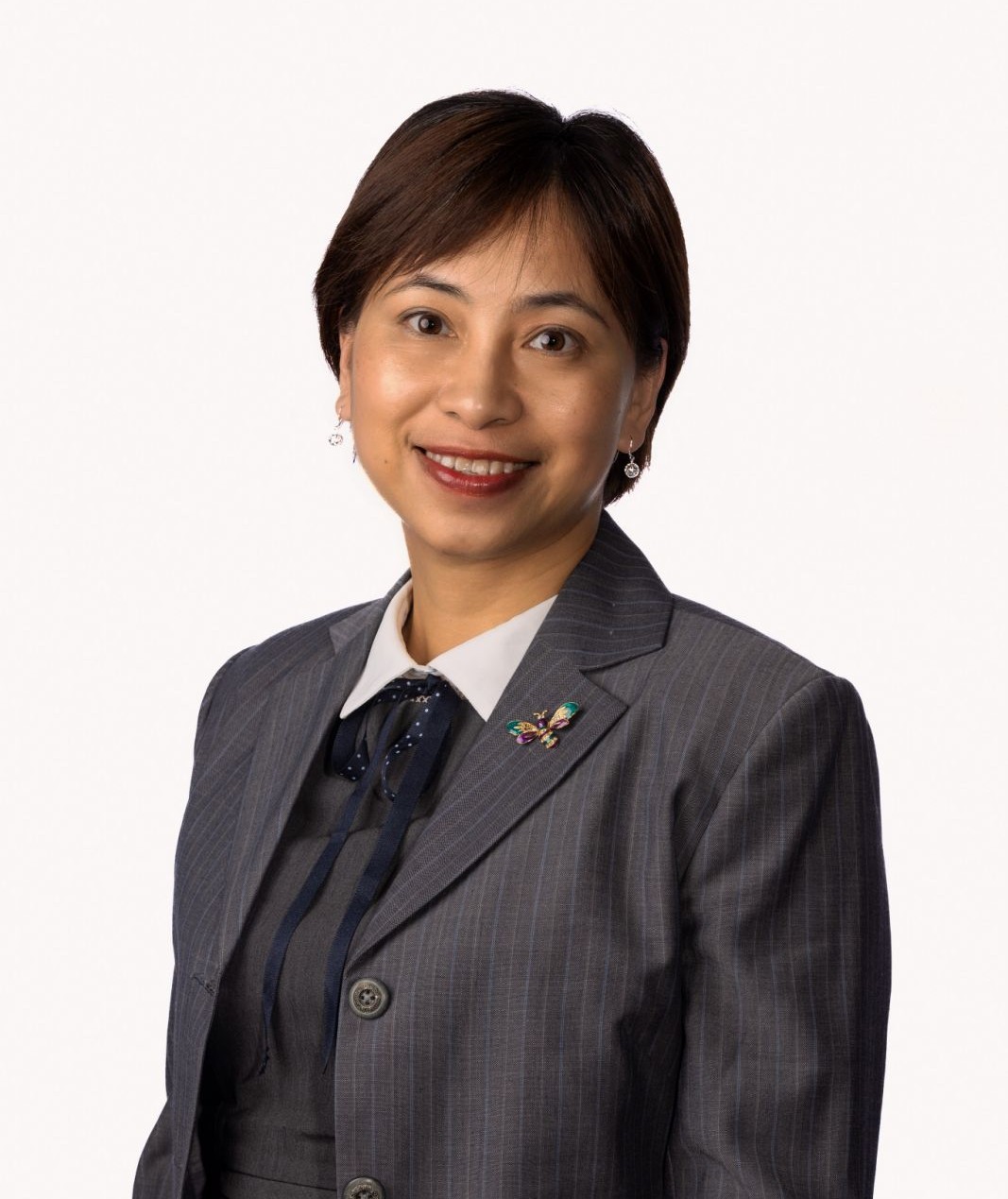
Dr. Thu Ha Dang (Ha), PhD, MIPH, MD, is a Research Fellow (Part-time) and Project Manager for the iSupport-D and Voice of Care projects, in the Department of Psychological Sciences, School of Health Sciences, Swinburne University of Technology, Australia.
Professor Vo Van Toi obtained his PhD in Micro-Engineering at the Swiss Federal Institute of Technology in Lausanne (EPFL), Switzerland, and was a Postdoctoral Fellow at the Health Science and Technology Division, a joint program between Harvard University and the Massachusetts Institute of Technology (MIT), USA. From 1984 to 2009, he was a faculty member of the School of Engineering at Tufts University (USA), where he established the Biomedical Engineering (BME) Department. From 2004 to 2009, he was a member of the Board of Directors and then Executive Director of the Vietnam Education Foundation (VEF), a U.S. federal agency established by the U.S. Congress to improve relations between the two countries through academic exchange.
In 2009, he returned to Vietnam to establish the BME Department at International University, Vietnam National University Ho Chi Minh City, and served as its Chair until 2019. His current work focuses on AI in healthcare education and homemade medical devices – such as wearable and wireless blood pressure and heart rate monitors, tele-spirometers, and uroflow-meters – that collect health data from the Vietnamese population to build a national AI database, as well as a project on AI in Revolutionizing Mental Healthcare.
Keynote Title: "AI Education in BME Curriculum"
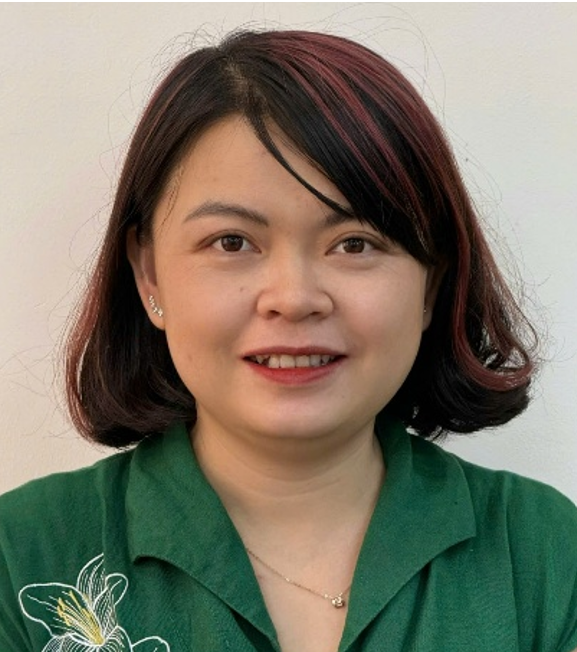
Dr. Ngo Thi Lua received her PhD specializing in Artificial Intelligence Applications in Brain Engineering from the Brain and Cognitive Engineering Department, Korea University, in 2020. She currently heads the Brain AI Lab, School of Biomedical Engineering, International University, Vietnam National University Ho Chi Minh City, where her team works toward AI solutions for biomedical problems such as mental health diagnosis using brain signals and medical image/signal processing for computer-aided systems.
Her research directions include applying AI to detect neurodegenerative diseases, brain tumors, mental disorders, neurodevelopmental diseases, sleep disorders, and retinal diseases using imaging, PSG, ECG, PPG, and EEG signals, as well as developing game software for children with attention or learning difficulties. She aims to help solve real-world problems in Vietnam’s medical system.
Keynote Title: "AI Education in BME Curriculum"
Dr. Phan Thanh Hai is Director of Medic Medical Diagnostic Center (Hoa Hao), Ho Chi Minh City, established in 1990. He is a pioneer in AI application in medicine, having directly led, implemented, and presented applications of artificial intelligence in diagnostic imaging and laboratory testing at Medic – including the Osteogram software for diagnosing bone loss via hand X-ray images, combined with the Chest AI solution to evaluate bone mineral density, and co-authored research applying the ColonFlag algorithm to support colorectal cancer screening.
He has served as chairperson and keynote speaker for Continuing Medical Education (CME) programs on applying advances in laboratory testing, molecular biology, and AI in clinical practice.
Key Contributions: Pioneering AI-assisted diagnostic tools (Osteogram, Chest AI) for bone health assessment; advancing AI-supported colorectal cancer screening research; leadership in continuing medical education on AI in clinical practice.
Assoc. Prof. Dr. Nguyen Thanh Hiep, MD, specializes in Family Medicine. He serves as Chairman of the Vietnam Family Medicine Group and Institute (VINFMgroup-VIFMED), General Director of Viet-Bel Primary Care Clinic (VIBFM), and Rector of HUTECH School of Medicine and Health Sciences, having previously served as Rector of Pham Ngoc Thach University of Medicine.
Presentation details for HEALTHINFO IV to be announced.
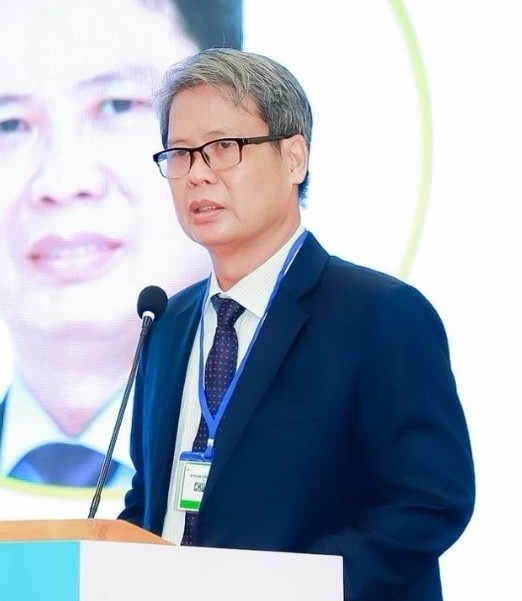
Assoc. Prof. Dung Do Van, MD, PhD, is a senior medical epidemiologist, biostatistician, and public health expert with over two decades of experience in clinical research methodology, health data science, and academic leadership in Vietnam. He currently serves as Vice Chairman of the Council of Science and Training at the University of Medicine and Pharmacy at Ho Chi Minh City (UMP-HCMC), where he previously served as Vice President of the University and Dean of the Faculty of Public Health. He is also Director of the South Vietnam HIV-Addiction Technology Transfer Center (VHATTC).
His career spans designing complex clinical trials, leading large-scale multi-center epidemiological surveys, and applying advanced biostatistical modeling to real-world medical data. Recognizing the transformative potential of modern computational methods in clinical workflows, his recent work bridges traditional epidemiology, relational database systems, and practical artificial intelligence applications in primary care and outpatient management.
At HEALTHINFO IV (Track C: Health AI Product Demonstration), Dr. Dung presents an innovative AI-powered Electronic Medical Record (EMR) and Practice Management System designed for outpatient clinic workflows. By integrating intelligent clinical decision support, automated documentation assistance, and data structure standardization into daily practice, the platform aims to reduce administrative burden for clinicians, enhance diagnostic accuracy, and improve patient care outcomes in resource-constrained medical environments.
Core Competencies & Research Focus:
Dr. Tran Thanh Tung is Vice Dean of the Faculty of Information Technology, International University, VNU-HCM. He received his PhD in Computer Science from the University of Bordeaux, France, and is an in-depth expert in software engineering, formal methods, and artificial intelligence/machine learning (AI/ML).
He has many years of pioneering experience developing information technology solutions for the healthcare sector, most notably a respiratory clinic management system that has been effectively deployed at many major hospitals nationwide within the ACOCU (Asthma-COPD Outpatient Care Unit) network – from large hospitals such as the University Medical Center Ho Chi Minh City to district- and primary-level hospitals.
Presentation Title: "Artificial Intelligence in Pulmonary Function Testing: From International Evidence to Opportunities for Vietnam"
Assoc. Prof. Dr. Nguyen Thi Bay, MD, is President of the Ho Chi Minh City Association of Integrative Medicine (Eastern and Western Medicine). She serves as Advisor to the University of Health Sciences, VNU-HCM; Chair of the Scientific and Training Council, Faculty of Traditional Medicine, University of Medicine and Pharmacy at Ho Chi Minh City; Advisor on Traditional Medicine to the Ho Chi Minh City Oncology Hospital; and Advisor to the Board of Directors of the University Medical Center Ho Chi Minh City.
Presentation Title: "Traditional Medicine in the Era of Artificial Intelligence (AI): Opportunities, Applications, and Challenges"
Abstract: The rapid development of artificial intelligence is driving far-reaching changes in medical research, training, and practice. For Traditional Medicine, AI opens many opportunities in knowledge digitization, terminology standardization, disease-pattern recognition, multidimensional data analysis, personalized treatment, and the development of clinical decision support systems.
In particular, AI has the potential to become a tool connecting Traditional Medicine with modern medicine by integrating symptom, diagnostic-pattern, imaging, laboratory, biological, and electronic medical record data, thereby supporting research on the relationship between Traditional Medicine diagnostic models and modern pathological phenotypes and treatment response. Technologies such as natural language processing, machine learning, computer vision, and large language models can also help mine large-scale traditional sources and build knowledge systems for integrative medicine.
However, applying AI still faces many challenges related to data quality, standardization, model explainability, algorithmic bias, information security, ethics, and professional responsibility. The presentation covers the leading directions for AI in Traditional Medicine and discusses its potential as a platform supporting the integration of Traditional and modern medicine in a safe, validated, and evidence-based manner.
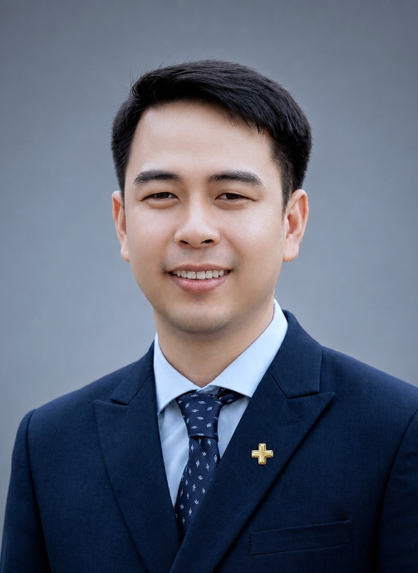
Dr. Tran Hoa An, MSc, MD (Level I Specialist Physician, Resident Physician), is affiliated with the Faculty of Traditional Medicine, University of Health Sciences, VNU-HCM, and the Department of Rehabilitation and Traditional Medicine, Ho Chi Minh City Oncology Hospital. He is a member of the Executive Committee of the Ho Chi Minh City Association of Integrative Medicine (Eastern and Western Medicine) and a former lecturer at the Faculty of Traditional Medicine, University of Medicine and Pharmacy at Ho Chi Minh City.
Presentation Title: "Potential Applications of Artificial Intelligence (AI) in Traditional Medicine Imaging"
Abstract: Imaging in Traditional Medicine encompasses many visual sources of information, such as images of the tongue, face, skin, body constitution, and morphological manifestations used in the process of visual diagnosis. However, the assessment of these features still depends considerably on the observer’s experience and may vary between practitioners.
Advances in computer vision and deep learning make it possible to build more objective image-analysis methods – from standardizing image acquisition, automatically recognizing features, and quantifying signs, to supporting the classification of disease patterns. An important direction is combining Traditional Medicine imaging data with modern medical data such as diagnostic imaging, laboratory tests, biomarkers, clinical data, and pathology information. This multimodal approach can help clarify the relationship between signs observed in Traditional Medicine and modern biological and clinical characteristics, and lay the foundation for diagnostic support and personalized treatment models in integrative medicine.
The presentation focuses on AI applications in Traditional Medicine imaging and the potential to integrate Traditional and modern medicine data, while discussing requirements for building datasets, standardizing procedures, and validating models before use in research and clinical practice.
Dr. Quan Van Hung holds a Master’s degree in Traditional Medicine and graduated from the University of Medicine and Pharmacy at Ho Chi Minh City in 1978. He served as Head of Medical Affairs at the Ben Tre Traditional Medicine Hospital (1978–1988) and worked at the Hospital for Tropical Diseases in Ho Chi Minh City (1988–1994). From 1994 to 2010 he was at the Ho Chi Minh City Institute of Traditional Medicine, serving as Head of the Substance Abuse Department and Head of the Oncology Department, while lecturing at the Ho Chi Minh City University of Medicine, Pham Ngoc Thach University of Medicine, and the Ho Chi Minh City Oriental Medicine Association. He was named Meritorious Physician in 2010 and received the Hai Thuong Lan Ong Award in 2013.
Now retired since 2011, he continues to collaborate with the Institute of Traditional Medicine and the University Medical Center Ho Chi Minh City as a treating physician, and teaches at Pham Ngoc Thach University of Medicine, the Ho Chi Minh City Oriental Medicine Association, and Van Lang Vocational College. Since January 2017 he has served as Deputy Director of the Center for Martial Arts Medicine and Vital Energy Cultivation, and he heads the 4T Club under the Institute of Traditional Medicine.
Presentation Title: "The Best Doctor Is Yourself: Exploring the 4T Therapy in Holistic Health Care"
Abstract: As spinal disorders and chronic diseases become increasingly common, many people depend entirely on medication and symptomatic treatment. From Dr. Hung’s perspective, treating outward symptoms addresses only the “effect”; true healing requires correcting the “cause.” Drawing on many years of experience in Traditional Medicine, he developed the 4T Therapy – a holistic, person-centered health care approach that awakens the body’s innate ability to heal itself.
He distinguishes between “symptoms” (the warning signals the body emits, such as back pain, numbness, or neck and shoulder pain) and “disease” (the underlying damage, such as spinal degeneration), which arises from three core factors: an unhealthy diet, prolonged psychological stress, and poor posture with lack of movement.
The 4T Therapy rests on four pillars: T1 – Spirit (reducing stress and fear, cultivating positive thinking and inner peace); T2 – Healthy Food (organic, natural, whole foods with acid–alkaline balance); T3 – Self-Cultivation Exercise (correct posture, yoga, meditation, walking, abdominal breathing, and self-massage); and T4 – Therapy (flexibly combining modern and Traditional medicine, including acupuncture, acupressure, spinal manipulation, herbal medicine, and simple bar hanging). The central message: the best doctor is yourself.
Dr. Daehoon Kim is an engineer, researcher, and entrepreneur with more than 35 years of work on the human eye as a data source – from pupillometry and biomedical research to iris biometrics and, now, AI-based iris imaging for early cancer screening. He holds a PhD in Electrical Engineering from North Carolina State University (USA), an MS in Electrical Engineering from KAIST (Korea), and a BS in Electrical Engineering from Seoul National University (Korea), and is a former researcher at the Mayo Clinic.
He is Founder, CEO & President of IriTech, Inc. (2000; headquartered in Fairfax, Virginia, with offices in Asia and Europe), whose patented iris recognition algorithm is reported among the top performers in NIST IREX I. IriShield devices and OEM partnerships supply national digital ID programs (including UIDAI/Aadhaar in India, the Philippines, and Madagascar) and humanitarian users such as UNHCR and WFP. In June 2025 he founded IriHealth, Inc., where he leads development of the IriAegis BK, an AI iris imaging device for early cancer screening (in development), and directs multi-country clinical data collection with hospital partners in Asia and Africa under ethics approval.
Presentation Title: "AI-Powered Iris Imaging for Early Cancer Screening"
Abstract: Early detection of life-threatening diseases is vital to treatment. IriHealth, building on more than 20 years of iris biometrics experience from IriTech, is pioneering non-invasive health screening from iris images using artificial intelligence and deep learning, combining computerized iridology with a Swin Transformer model trained on more than 500,000 unlabeled iris images and tens of thousands of clinically validated images.
Professor Le Van Tan is Professor of Emerging Infectious Diseases at the University of Oxford and Interim Director of the Oxford University Clinical Research Unit (OUCRU) in Ho Chi Minh City, based at the Hospital for Tropical Diseases. He has worked across disciplines and collaborated with scientists across Wellcome-funded Major International Programmes in Southeast Asia and Africa, as well as with researchers in the UK and internationally, helping Vietnam prepare for and respond to emerging infectious threats – from avian influenza, hand, foot and mouth disease, and COVID-19, to measles and mpox.
Working in close partnership with the Hospital for Tropical Diseases, Children’s Hospital 1, the Pasteur Institute in Nha Trang, the National Institute of Hygiene and Epidemiology, the Ho Chi Minh City Department of Health, and the Ho Chi Minh City Centre for Disease Control, his team has strengthened rapid testing, genomic surveillance, serum banking, and outbreak response systems to provide timely evidence for public health decision-making.
He currently leads the Southeast Asia initiative to combat SARS-CoV-2 variants (SEACOVARIANTS) Consortium, a Wellcome-funded regional initiative that was instrumental in OUCRU and the Hospital for Tropical Diseases being designated a WHO CoViNet reference laboratory for coronavirus surveillance in 2026. He has also been awarded multiple grants from Wellcome, UKRI, and Singapore PREPARE to develop novel serological tools for early detection of zoonotic spillovers and to assess population immunity against highly pathogenic avian influenza A virus H5N1 – part of a broader research programme strengthening preparedness for emerging infectious diseases and future epidemic and pandemic threats.
Key Contributions: Leadership of the SEACOVARIANTS Consortium and WHO CoViNet reference laboratory designation for coronavirus surveillance; strengthening of rapid testing, genomic surveillance, and outbreak response systems in Vietnam; development of novel serological tools for zoonotic spillover detection and H5N1 population immunity assessment.
Dr. Vo Thanh Liem, MD, PhD, is Vice Head of the Department of Family Medicine and Vice Director of the University Medical Policlinic at Pham Ngoc Thach University of Medicine. With in-depth expertise in family medicine, scientific research methods, and medical digital transformation, he has authored many international publications on health care ecology, patient safety, and information technology applications in health administration.
Keynote Title: "Developing Clinical Reasoning Skills and a Multidimensional Approach Through AI-Powered Simulated Patient Models in Medical Education"
Dr. Morteza Namvar is a Senior Lecturer in Artificial Intelligence and Machine Learning at The University of Queensland (UQ) Business School and holds a PhD in Information Systems from Deakin University. His research focuses on machine learning, natural language processing, and agentic AI, with applications in healthcare, emergency management, and digital innovation, emphasising industry-engaged research and AI-enabled solutions with practical and societal impact.
He serves as Program Convenor of the Master of Business Analytics at UQ (2026–present) and is affiliated with the Centre for Business and Economics of Health and the Centre for Enterprise AI at UQ. He is Principal Supervisor of six PhD candidates working on artificial intelligence, healthcare, and digital innovation, with industry-engaged doctoral research partnerships including Metro South Health, West Moreton Health, and Complete ENT. His research funding includes PA Research Foundation grants (2024–2025, AUD 30,000), Medical Protection Society projects (AUD 24,662), and over AUD 150,000 from the UQ Knowledge Exchange & Translation Fund and Faculty of Business, Economics and Law (BEL) Connect internal funding.
He has published 17 journal articles – including in the International Journal of Information Management, Information & Management, Information Technology & People, and Internet Research, with a manuscript under third-round revise and resubmit at the Journal of the Association for Information Systems – and more than 20 refereed conference publications.
Keynote Title: "AI-Powered Clinical Prioritisation for Tele-Triage: A Decision-Support Platform for Healthcare"
Abstract: Health systems face escalating overload and long wait times. In Queensland, Australia, more than one-third of patients wait over 30 minutes in an ambulance before entering the Emergency Department (ED) – so-called “ambulance ramping” – wasting over 120,000 ambulance hours (roughly AUD 12 million in healthcare staffing costs). ED performance has also declined, with the share of patients completing an ED visit within 4 hours falling from 72% (2015) to a record low of 52% (2025) amid rising population pressure and an ageing population.
Common triage models face shared challenges: Hospital in the Home (HITH) is overwhelmed by data and lacks standardized patient assessment capacity (processing only about 20 records per day against demand of 500+ cases per day); Minor Injury and Illness Clinics (MIIC) lack clear triage boundaries with the ED; and private-clinic referral triage manually processes about 30,000 records per year, consuming roughly 500 hours of surgeons’ time (about $250,000 per year) with legal risk and treatment delays.
The proposed solution is an AI-Powered Clinical Prioritisation Platform using a Multi-Agent Clinical Prioritisation Engine that combines patient record data with clinical guidelines, protocols, and medical knowledge – aiming to handle large volumes of records, optimize limited clinical resources, and deliver fast, accurate, consistent, and explainable triage decisions across multiple care pathways (ED/MIIC, HITH, Referral Triage).
Truong Minh Chuong is Founder & CEO of Smart Health Solutions Co. and founder of the Master’s Program in Hospital Administration at VNU-HCM University of Technology. He is a driving force behind HEALTHINFO IV, chairing the Health AI Innovation Forum (Track C) and serving as Vice Chair of the Executive Board, alongside roles on the General Co-chairs, Local Organizing Committee, Web Chair, and Program Board.
Keynote Title: "From Smart Hospitals to Smart Health: The Expanding Role of Artificial Intelligence in Healthcare Transformation"
Abstract: Artificial Intelligence is rapidly transforming healthcare systems worldwide, extending its impact beyond disease diagnosis and treatment toward comprehensive health management and intelligent healthcare delivery. This presentation provides an overview of AI applications across the healthcare ecosystem, focusing on three dimensions: smart hospital management, enhancement of clinical quality and patient outcomes, and continuous 24/7 health monitoring and personalized care.
At the organizational level, AI enables Smart Hospitals through intelligent resource allocation, predictive analytics, workflow optimization, and data-driven decision support. In clinical practice, AI supports physicians through diagnostic assistance, medical imaging interpretation, clinical decision support, and early warning mechanisms. Beyond hospital settings, AI enables a shift from reactive disease treatment to proactive health management through wearable devices, the Internet of Medical Things (IoMT), and remote patient monitoring – promoting preventive care, chronic disease management, and lifelong well-being.
Nathan Gehlert, PhD, is Professor of Psychology at Fulbright University Vietnam. His work examines how artificial intelligence can help close Vietnam’s substantial mental health treatment gap, shaped by workforce shortages, uneven access, stigma, and limited resources.
Keynote Title: "Closing the Mental Health Treatment Gap in Vietnam: Opportunities and Risks of AI"
Abstract: Vietnam faces a substantial mental health treatment gap, shaped by workforce shortages, uneven access, stigma, and limited resources. Artificial intelligence may help extend care through psychoeducation, screening, clinical decision support, and scalable low-intensity interventions. Yet these opportunities come with significant risks, including inaccurate guidance, cultural and linguistic bias, threats to privacy, and the substitution of technology for qualified human care. This presentation examines how Vietnam might use AI to strengthen its mental health system while establishing the safeguards, professional oversight, and ethical boundaries necessary for responsible implementation.
Chairs: Nguyen The Dung, MD · Assoc. Prof. Tran Quy Tuong, MD, PhD · Prof. Peter Wushou Chang, MD, MPH, ScD, FRCP
Watch the livestream recordings of the keynote sessions on our home page.